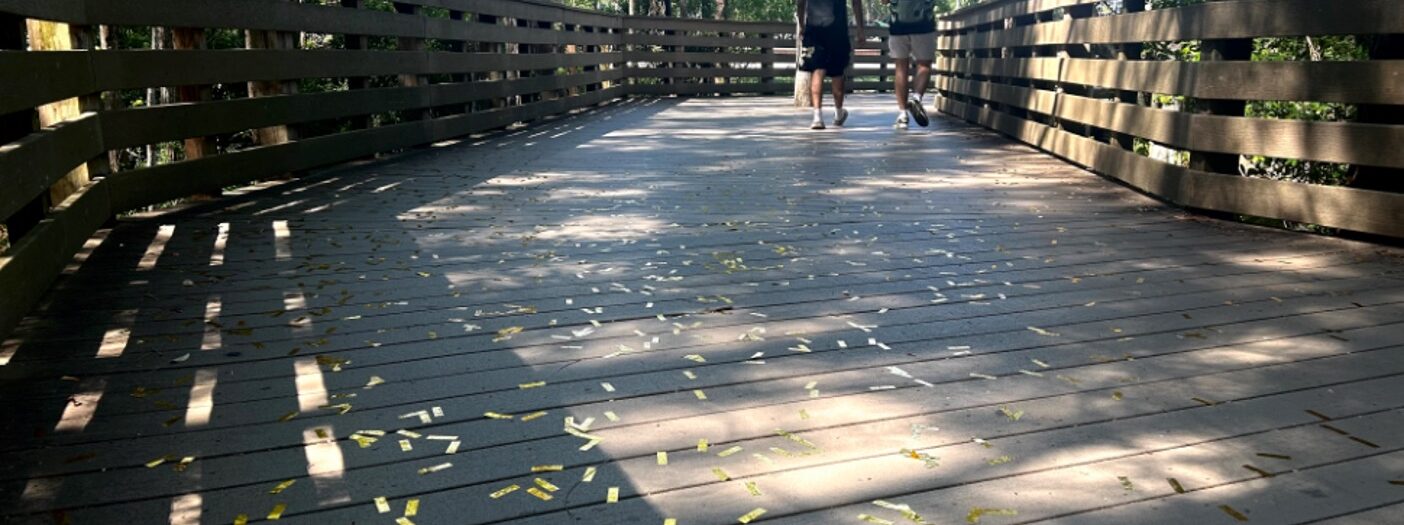
How Does Confetti Affect Ecosystems?
During celebrations like graduation and Greek events, students often pop confetti for photos, capturing joyful moments without considering the lasting impact. Confetti often contains polyvinyl chloride, one of the most toxic plastics. This synthetic material is loaded with chlorine, dioxins, and carcinogens that linger in our soil, water, and air, posing serious risks to environmental and human health. Wildlife frequently mistakes confetti for food, leading to internal injuries or death. While plastic takes thousands of years to fully degrade, in our lifetime it will degrade into microscopic pieces, called microplastics. Recent studies have uncovered microplastics accumulating in human organs such as the heart, brain, reproductive system, stomach, lymph nodes, kidneys, liver, and lungs. The effects of microplastics on humans are not yet fully understood.
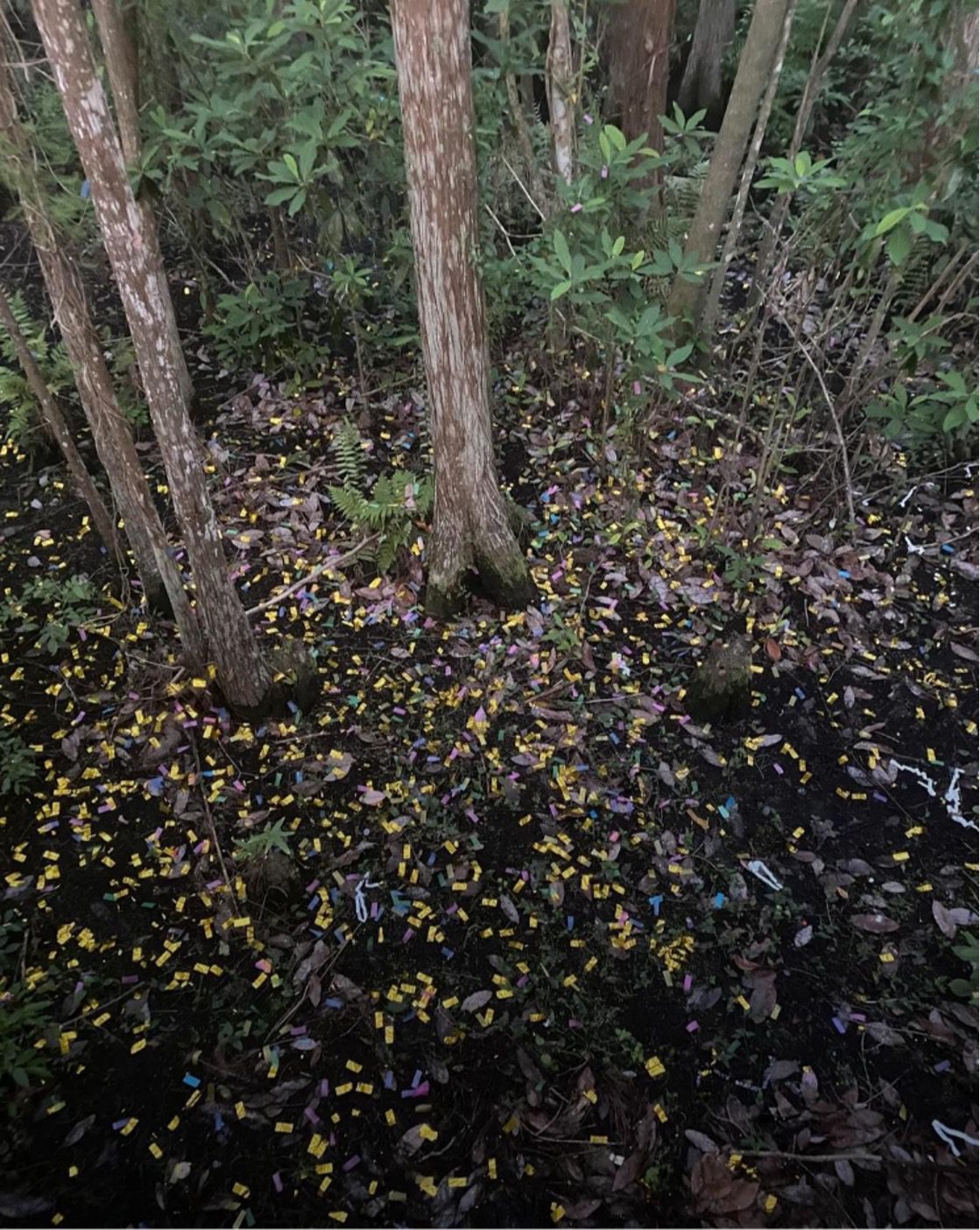
Confetti in the Cypress Dome
How Does This Affect UCF?
At UCF, stormwater runoff from campus flows through 13 manmade and two natural ponds. These ponds act as natural filters, helping to remove some pollutants before the water enters nearby waterways. It’s important to note that this water never goes through a treatment plant. It travels directly into our natural systems, beginning with the Little Econlockhatchee River and winding through nearly 200 miles of land before reaching the Atlantic Ocean.
Protecting our waterways starts with small choices. Confetti might seem harmless, but when it’s left on the ground, it can easily be swept into storm drains and carried into our rivers and oceans. Unlike biodegradable materials, plastic confetti doesn’t break down; it lingers, harming wildlife and ecosystems along the way. Each piece of confetti requires manual cleanup, costing time, energy, and resources. And because confetti is so small, even the most thorough cleanups can’t catch it all.
How UCF Contributes
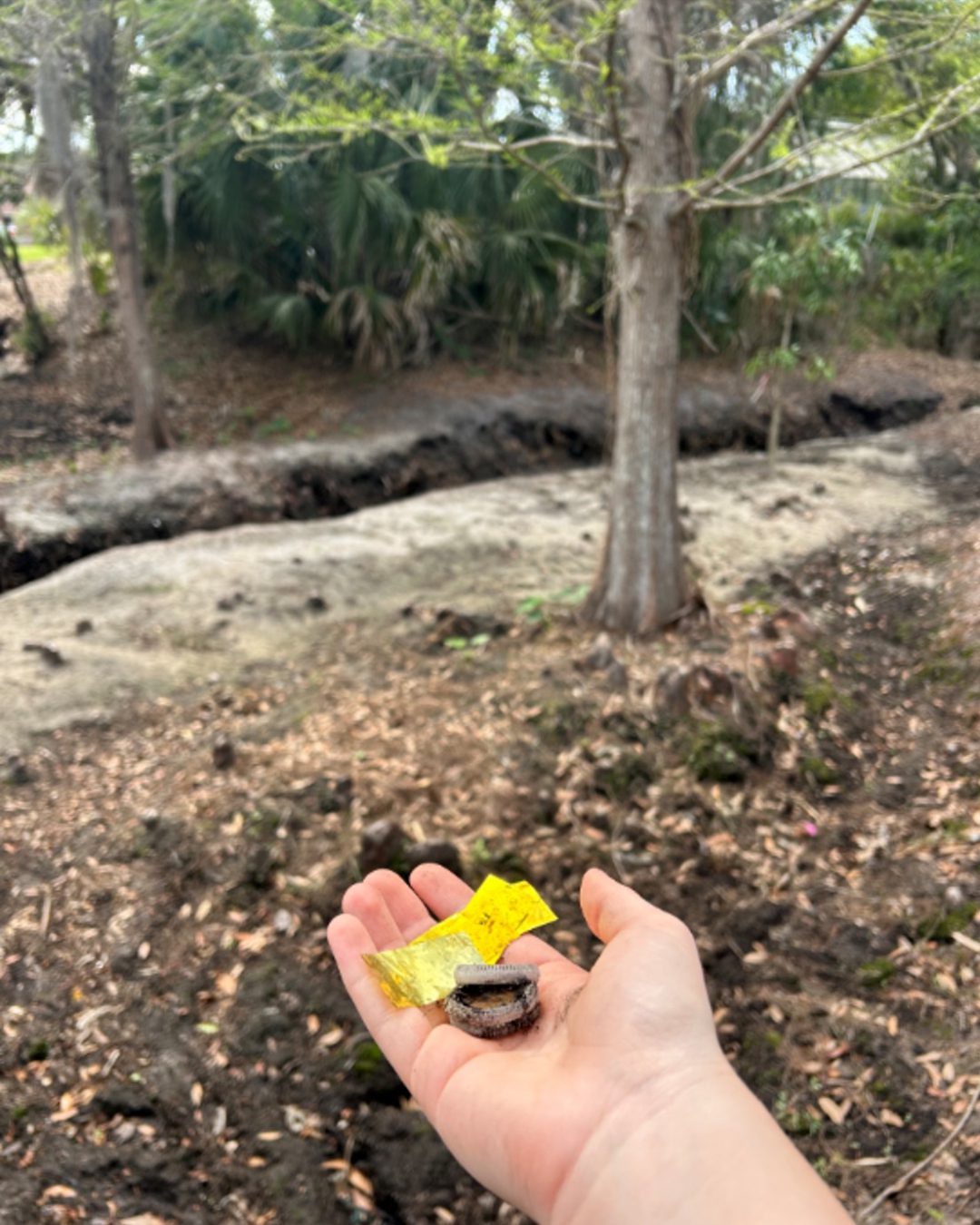
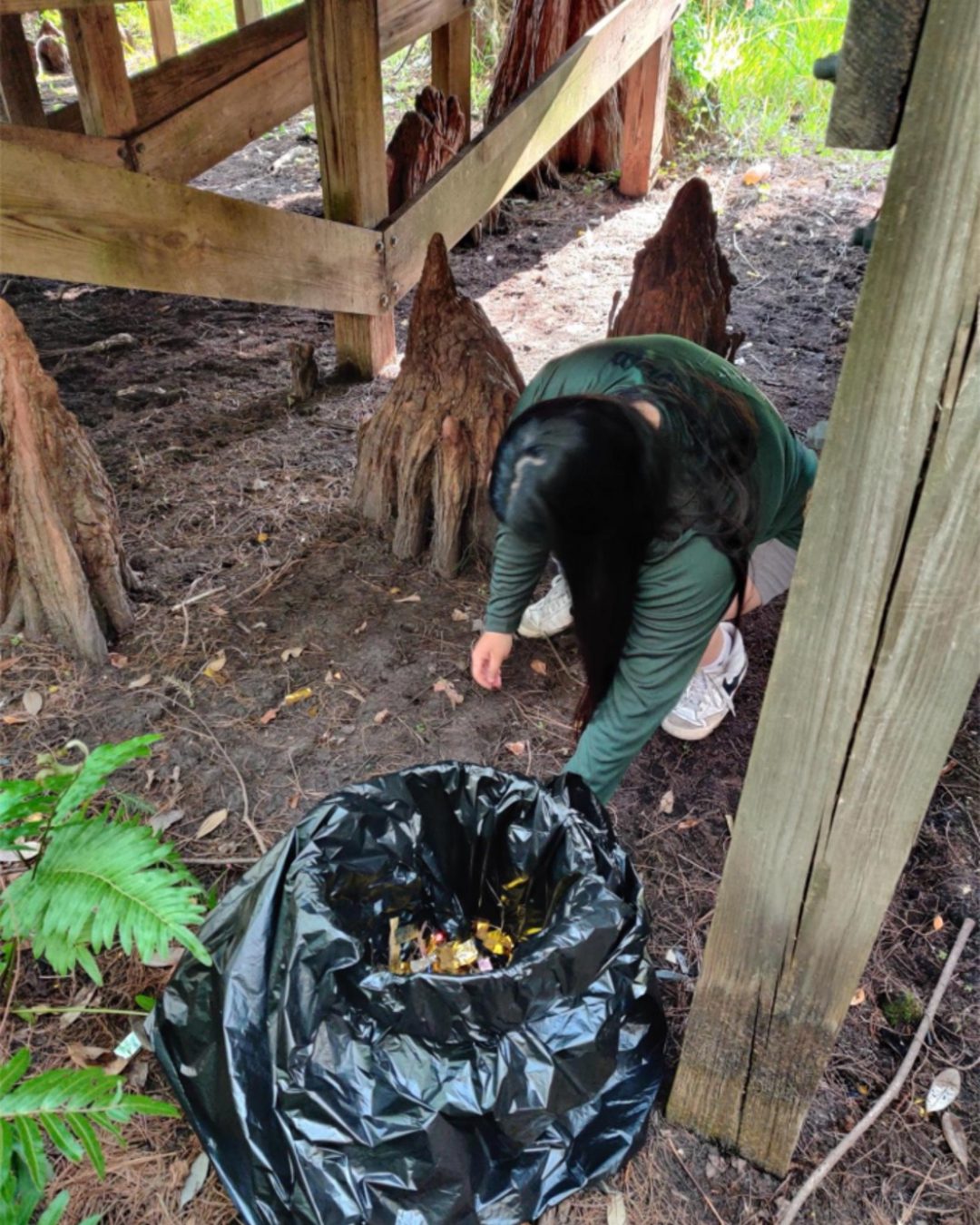
Since 2022, the UCF Arboretum has been leading efforts to combat confetti usage across campus. So far, we’ve made meaningful progress:
- Engaged 70+ volunteers
- Logged over 100 hours of cleanup
- Collected 70 bags of plastic confetti
Looking to get involved?
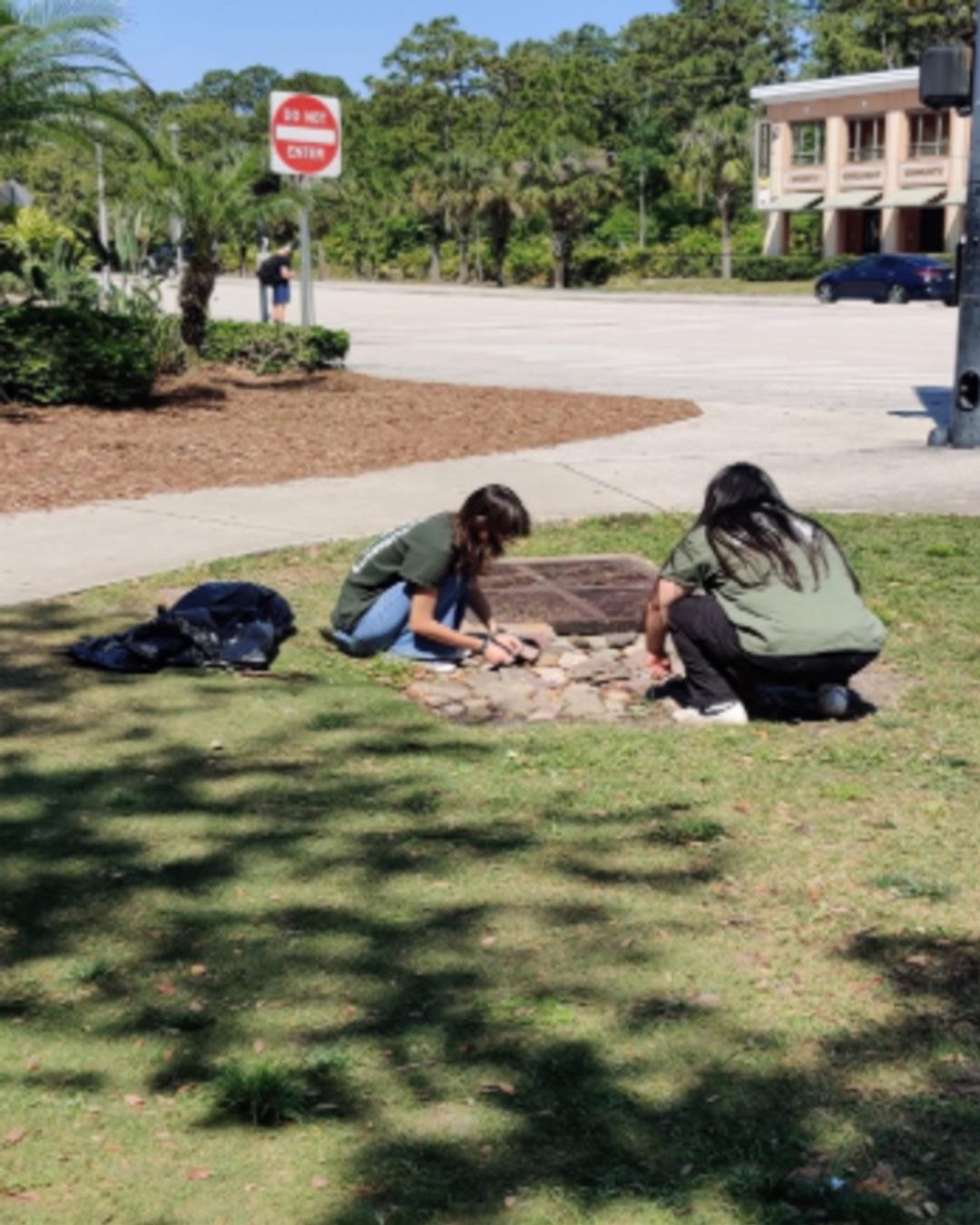
Volunteer with the LxL Stormwater Team
Manually clean up glitter and confetti to prevent non-biodegradable contaminants clogging the drains and polluting our canals. Volunteer shifts can be found on KnightConnect.
Celebrate Consciously
Let the celebrations continue! Ditch the plastic confetti and try these eco-friendly celebration alternatives that are just as festive and far more Earth-friendly:
- Biodegradable Confetti – Made from rice paper, dried leaves, or other compostable materials. All the sparkle, none of the guilt. This can be picked up in the UCF Student Government Office on the third floor of the Student Union!
- Flower Petals – Natural, beautiful, and biodegradable. Scatter petals for a romantic or whimsical vibe.
- Bubbles – Fun, photogenic, and zero cleanup. A crowd favorite for all ages.
- Champagne Popping – Raise a glass instead of litter. Celebrate with a small splash and sustainability.
- Photoshop Filters or AI Effects – Go digital! Add confetti, sparkles, or fireworks to your photos without leaving a trace behind.
Spread the Word and Raise Awareness
- Host a table at events and engage with peers—both within and beyond Greek Life. We’ll provide materials like the Confetti-Free Pledge and fun giveaways to help spark meaningful conversations.
- Post about your sustainable celebrations! Use your voice on social media to spread the message. A single post can encourage dozens of others to rethink their celebration habits.